Books
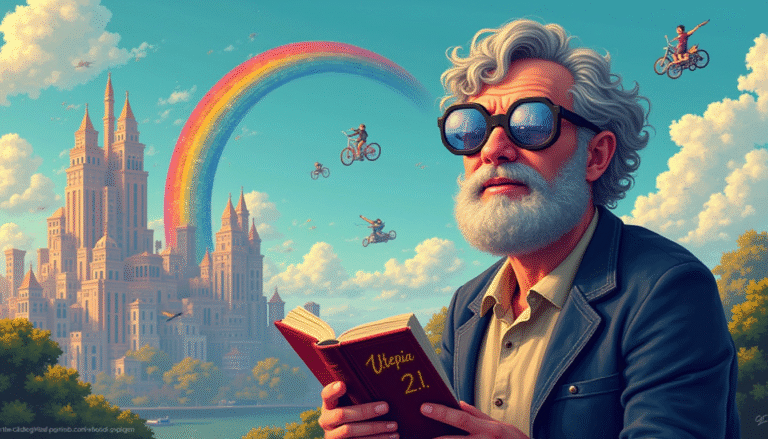
June 13, 1516 — Thomas More Drops Utopia
June 13, 1516 — Thomas More drops Utopia
And the world learned to picture futures that don’t even exist yet — and to be skeptical about them.

June 13, 1516 — Thomas More drops Utopia
And the world learned to picture futures that don’t even exist yet — and to be skeptical about them.

June 12, 1991 — The World Wide Web was released to the public
And the planet got free access to memes, cat videos, and… creative education on a global scale.

June 11, 1987 — Adobe drops Illustrator 1.0, and the graphic design game changed forever… especially after everyone figured out what a Bézier curve is.
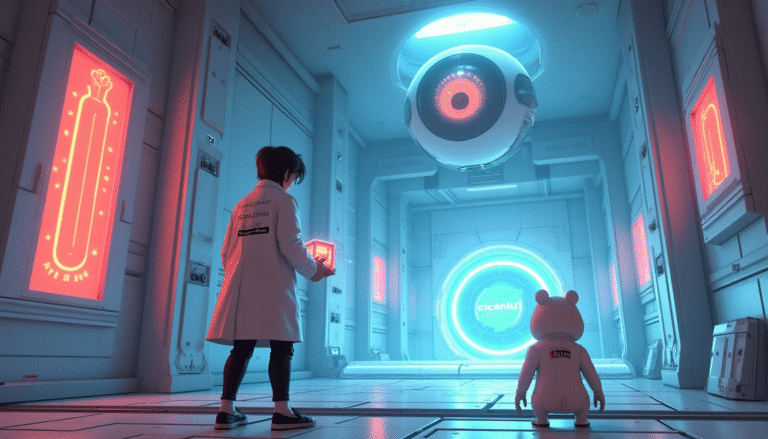
June 10, 2010 — Portal 2 is revealed at E3
And the world learned that solving puzzles with dimensional portals is way more educational than a lot of PowerPoints out there.
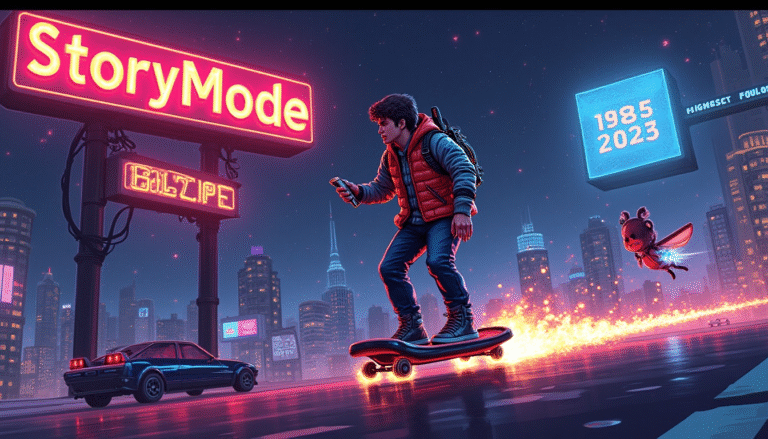
June 9, 1961 — Michael J. Fox is born
And the world got its first time traveler rocking an orange life vest and a souped-up skateboard.

1984 isn’t just a book.
It’s a dark storytelling manual.
It’s like a cultural paranoia software.
It’s the dystopia that became a trend.
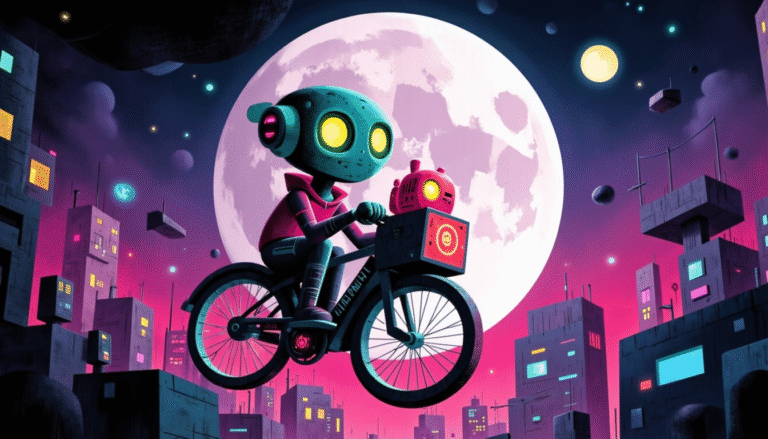
E.T. made his worldwide debut and totally changed the game for storytelling.
In a packed theater, with the smell of popcorn and hearts ready to cry quietly in the dark, the world met that being with big eyes, a high-pitched voice, and a finger that lit up with more emotion than a reality show finale.
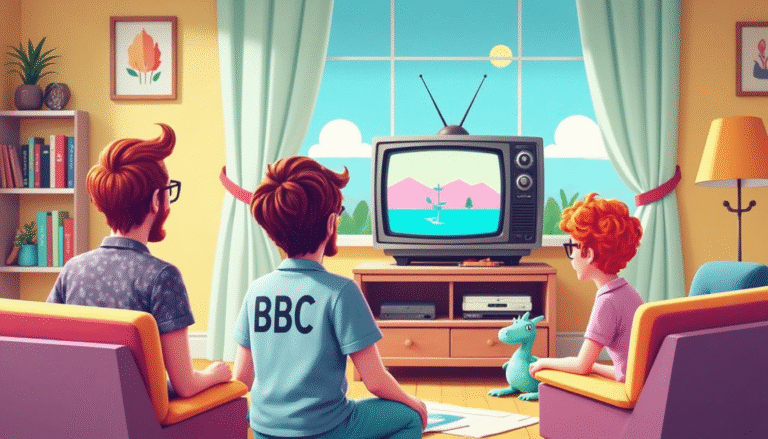
Yeah, it was on that super pixelated day that the BBC aired a live color show for the first time ever.
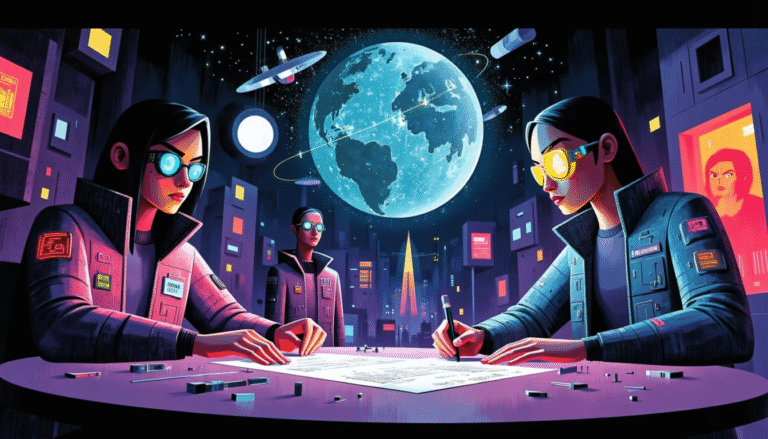
May 29, 1975 — Europe decided to aim for the stars
And founded the ESA: European Space Agency.